Harry Clark Goes to Rome
Executive Producer
Caroline Matthews
Executive Producer
Karen Emsley
Director
Jonny Ashton
Quotes
"Harry brings a fresh, funny and very personal perspective to the conversation about faith. Audiences are in for some hilarious moments and jaw-dropping surprises along the way"
Daisy Scalchi (BBC Head of Religion and Ethics)
Quotes
"So lovely you’ll be weeping buckets"
Lucy Mangan - The Guardian
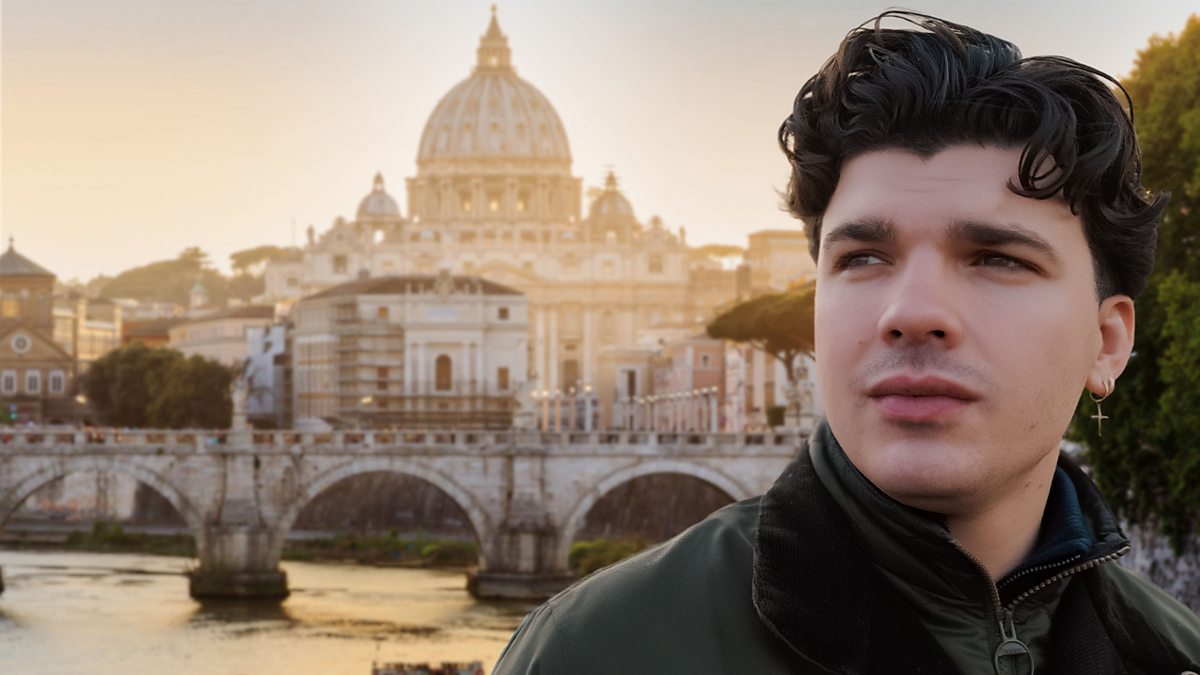
In this documentary, 25-year-old Harry Clark of BBC Traitors and Pilgrimage: The Road to the Alps fame embarks on a personal pilgrimage to Rome in search of answers about belief, identity and what it means to be a ‘good’ Catholic today. He also has an audacious quest to meet one of the most powerful figures in the world – and latest addition to his (spiritual) family – the recently appointed Pope Leo XIV.
Living with his close-knit, real family in Slough, in the house where he grew up, Harry’s faith remains central to his life. But as the pace of modern living accelerates – pubs, clubs, media events, and relationships – his faith increasingly clashes with the traditions passed down by his mother and grandparents. Can belief survive modern life, and what does it mean to be a good Catholic in the midst of it all? For Harry, there is only one place that might offer answers – the home of the Catholic faith, Rome and the Vatican City.
As he prepares for his pilgrimage, Harry talks to those closest to him: his family and friends, his childhood priest and the most important woman in his life – his mum, Georgia. Through these conversations, he explores what it means to be Catholic, is challenged about his lapsed habits and learns about traditional Catholic pilgrim practices – fasting, confession, visiting the tomb of a saint and saying a prayer for someone he loves in Rome. These lead to deeply personal insights into Harry’s life, including an emotional visit to his grandad, a former footballer who is currently battling dementia.
What impact will this personal pilgrimage have on his faith and his understanding of what it means to be a modern Catholic?